 HMO
HMO
HMO Licensing Traps on UK Auction Lots: How Rent Repayment Orders Wipe Out Returns
Councils from London boroughs to former soft-touch areas like Tamworth are expanding HMO and selective licensing, while tribunals are rejecting 'I didn't know' excuses and ordering almost £19,500 in rent repayments. For auction buyers chasing multi-let stock, licensing status is now a pre-bid check that can erase the discount if missed.
 bridging loan lender criteria
Bridging Loan Lender Criteria UK 2026: Why Reputation Beats Headline Rates
In 2026, bridging lenders are competing less on teaser monthly rates and more on wider criteria, refurb LTVs, and execution reliability. This post sets out what Hope Capital, Masthaven and broker sentiment actually signal — and how investors and brokers should pick lenders on substance rather than price alone.
commercial-property
Commercial Property Auction UK: Separating Financible Lots from Value Traps in 2026
Headline doubts about commercial property sit alongside lenders still clearing £5m–£85m facilities on commercial and mixed-use stock. This post sets out a practical filter for auction buyers deciding which commercial lots are still financible — and which are value traps dressed as opportunity.
bridging loans portfolio landlords
Bridging Loans for Portfolio Landlords UK: Why Bank Retreat Is Driving BTL Expansion in 2026
High-street bank lending to small property investors has fallen 14% in five years, while 76% of landlords plan to refinance specifically to grow. This post sets out why bridging has become the practical acquisition tool for BTL portfolio expansion in 2026, what a clean bridge-to-term structure looks like, and what brokers need to evidence so the exit actually completes.
 development finance
Development Finance UK 2026: What Lenders Price and What Maslow’s £117m Loan Reveals
Maslow Capital’s £117m construction facility on a 609-bed London PBSA scheme is a live read on how development finance is being priced in 2026. This post breaks down LTGDV versus LTV, works drawdowns, rate bands, and how bridging borrowers build a stronger case when stepping into full development or bridging-to-development structures.
 auction finance
Auction Purchase Bridging Finance in 28 Days: What Actually Determines Completion Speed in 2026
Bridging can complete auction purchases inside the standard 28-day clock, but average market timelines still sit far longer. This guide covers what actually drives speed in 2026, how to be funding-ready before you bid, and the friction points that push auction bridges past the deadline.
 bridging-finance
Unmortgageable Auction Property: Line Up Bridging Before You Bid
Uninhabitable and unmortgageable auction lots only work when bridging or development finance is arranged before the hammer falls. With base still at 3.75% and July catalogues full of non-mortgageable stock, this sets out the £ arithmetic lenders actually run — deposit on the day, rolled-up interest, works, and the exit valuation you need before you bid.
 buy-to-let
Buy to Let Auction Property Strategy When Landlords Are Exiting to Cash
Around 93,000 landlords left the sector last year and much of the proceeds is sitting in cash alongside half a trillion already in Cash ISAs. That exodus is freeing up auction stock — but treating cash as a wealth strategy is a slow real loss. This post sets out when a deliberate BTL auction bid still makes sense, and what separates it from following the crowd out.
 buying-at-auction
UK Auction Deposit Requirements: What You Owe the Moment the Hammer Falls
Most first-time auction buyers think the serious money comes later. It doesn't. The moment the hammer falls, you're contractually committed to paying a 10% deposit — plus buyer's premiums, reservation fees, and sometimes administration charges — on the spot. This post breaks down exactly what you'll owe, when you'll owe it, and how to have it ready before you even walk through the door.
 bridging finance
Bridging Finance Fees Explained: The Full Cost Stack UK Borrowers Actually Face in 2026
Most bridging borrowers focus on the headline monthly rate and miss the fees that actually determine whether a deal stacks. This post breaks down every layer of the bridging fee structure — arrangement, valuation, legal, broker, and exit — explaining which costs are fixed, which are negotiable, and how to stress-test total cost before you commit.
 auction-conveyancing
Property Buying Reform Won't Save You From the 28-Day Auction Clock
The government's property buying reform agenda is designed to fix a broken estate agent transaction system — but auction's fixed 28-day completion window operates under entirely different rules. Understanding why reform changes nothing for auction buyers is essential before you bid. The hammer still creates a binding contract, the deposit is still due immediately, and the clock starts whether the wider market is mid-reform or not.
 prime central london
Prime Central London Bridging Loans: What the Berkeley Square and Mayfair Deals Actually Tell You About Lender Criteria
Two recent completions — a £1.9m bridge on a Berkeley Square apartment and a £7.9m acquisition loan on a Mayfair mixed-use building — reveal how prime central London bridging loans are actually structured and what lenders genuinely require. This post breaks down the LTV expectations, valuation challenges, and cross-border complexities that define the upper end of the market.
 bridging finance
UK Bridging Finance Market H2 2026: What Lender Appetite Actually Looks Like Right Now
Mid-2026 is producing contradictory signals in the UK bridging finance market — rate competition in some segments, selective pullback in others, and a specialist lending sector quietly being reshaped by its own funding structures. This post examines what lender appetite actually looks like right now and where to focus attention through the rest of the year.
 stamp-duty
Stamp Duty at Auction: What HMRC's Latest Transaction Data Means for Your Maximum Bid
HMRC data shows UK home sales jumped 17% year-on-year in May 2026, and auction volumes are rising in a flat price environment — which makes cost discipline more important than ever. This post maps out exactly when stamp duty falls due after an auction purchase, how the 3% surcharge reshapes investor economics, and why your maximum bid calculation must include every pound of SDLT before the hammer falls.
 bridging-finance
Rolled-Up, Retained, or Monthly: Which Bridging Interest Structure Actually Works for Auction Buyers?
Auction buyers face a 28-day completion deadline that makes the wrong bridging interest structure genuinely costly. This post breaks down rolled-up, retained, and monthly serviced interest — explaining what each costs in real terms and which one protects your cash flow during refurbishment and exit.
 investment-strategy
UK Regional Property Price Disparities: Why Auction Buyers Without a Geographic Strategy Are Competing Blind
Rightmove data shows the average UK asking price of £378,000 buys a five-bedroom house in North Lanarkshire or a studio flat in central London. For auction investors, this isn't just an interesting fact — it's the foundation of a targeting strategy. Without a clear geographic focus, you're not investing, you're guessing.
 bridging-finance
Can You Get a Bridging Loan with Bad Credit to Buy at Auction? Here's What Lenders Actually Look At
A damaged credit file doesn't automatically close the door on auction bridging finance — but it does change the terms significantly. This post explains how specialist bridging lenders underwrite differently from high-street banks, what LTV constraints and rate premiums to expect with CCJs or missed payments, and why the exit strategy matters more than your credit score.
 bridging finance
Brookfield's £500m European Deal and What Institutional Capital Concentration Means for Bridging Borrowers in H2 2026
Brookfield's £500m European financing deal — its largest yet — signals how institutional capital is concentrating in large-ticket UK property finance. This post examines what that means for lender appetite, deal sizing thresholds, and whether smaller bridging borrowers get squeezed out as lenders chase scale in H2 2026.
 bridging finance
Bridging Finance Credit Lines UK: How Revolving Facilities Work and When They Actually Make Sense
Revolving bridging credit lines are becoming more accessible to repeat property investors and developers, but most borrowers approach them without understanding how they differ structurally from standalone bridges. This post explains the mechanics, costs, and qualifying criteria — and sets out when a credit line is genuinely the right tool versus a single-draw facility.
 exit-finance
Your Bridging Loan Exit Strategy Should Be Decided Before You Bid, Not After
Most auction investors treat the exit strategy as something to sort out once they've won the lot. That's the wrong way round. This post explains why choosing your BTL remortgage product before bidding is the single most important step in making an auction acquisition stack up — and walks through the practical steps of exiting a bridge onto a low-deposit buy-to-let mortgage.
 bridging finance
Balbec/Funding 365 and the Institutional Takeover of UK Bridging: What It Means for Lender Criteria in 2026
Balbec Capital's acquisition of Funding 365 is the latest in a string of institutional capital moves reshaping UK specialist lending. As private credit firms take ownership of bridging lenders, risk mandates are shifting quietly — and the deals that got funded 18 months ago may not clear the same desks today. Here's what brokers and investors need to understand about how ownership changes translate to credit policy changes.
bridging loan interest
Bridging Loan Interest Explained: Daily Accruals, Retained vs Rolled-Up vs Serviced, and What Actually Drives Total Cost in 2026
Most borrowers fixate on the headline monthly rate, but the real cost of a bridging loan is determined by how interest accrues daily, which repayment structure they choose, and whether retained interest is calculated on the gross or net loan. This post breaks down all three interest options with worked examples, explains the gross vs net loan trap that catches borrowers out, and gives a clear framework for choosing the structure that minimises total cost for your specific exit timeline — including why H2 2026's borrower-friendly market creates genuine room to negotiate.
 investment-strategy
Why Rising Mortgage Numbers Don't Equal Easier Auction Finance in 2026
Bank of England data shows new mortgage agreements jumped 12% in Q1 2026, but industry warnings that lending is 'a mirage' reveal deeper challenges for property investors. This analysis examines what's really happening with auction finance and when genuine recovery might occur.
 exit-finance
Why Mortgage Lending Growth Creates Better Exit Finance Opportunities for Bridging Loan Investors
Recent mortgage lending increases mean bridging loan investors have more exit finance options than they've had in months. Understanding how to time the switch from bridge to BTL mortgage can save thousands in interest costs.
 bridging finance
How Bridging Finance Accelerates Property Portfolio Growth When Traditional Mortgages Hold You Back
Property investors are increasingly using bridging finance to overcome traditional mortgage limitations and accelerate portfolio growth. By providing speed and flexibility for chain breaks, auction purchases, and rapid scaling, bridging enables deal flows that standard lending cannot support.
 investment-strategy
Wealthy Investors Ditching Long Mortgage Fixes as Lending Activity Picks Up
High-net-worth borrowers are choosing two-year mortgage fixes over five-year deals as rate uncertainty continues. Recent lending data shows activity increasing, but the real story is how prepared investors are positioning for what comes next.
 Bank of England
Bank of England June Rate Decision: Why Bridging Costs Won't Follow BoE Moves
The Bank of England's 18 June rate decision matters less for bridging finance than most assume. With inflation at 2.8% but SWAP rates volatile and funding pressures mounting, bridging lenders are pricing to their own rhythms — not Threadneedle Street's calendar.
 Bank of England
BoE Rate Hold Sparks Debt Market Volatility - How Bridging Lenders Are Adjusting Appetite
The Bank of England's rate hold at 3.75% has triggered unexpected volatility in UK debt markets, forcing bridging lenders to reassess pricing and appetite. Market uncertainty is creating unpredictable conditions for borrowers seeking bridging finance.
 base rate
Base Rate Holds at 3.75% But Bridging Rates Keep Moving - What's Actually Driving Costs in 2026
The BoE held base rate at 3.75% through May 2026 with SONIA futures pricing stable expectations, but bridging lenders are still adjusting rates based on wholesale funding pressures. Understanding what actually moves bridging costs beyond base rate policy has become critical for deal timing.
 development finance
Development Finance in the UK: Real Criteria and GDV Limits Developers Actually Get in 2026
The development finance market spans £30k refurbs to £1m+ ground-up builds, but advertised criteria rarely match reality. Analysis of what developers actually secure at different project scales and how to structure deals that get approved.
 Bank of England
Bank of England Rate Hold Creates Bridging Finance Pricing Volatility as Mortgage Lending Crashes 35%
The Bank of England's latest rate hold at 3.75% has created unexpected volatility in bridging finance pricing as mortgage lending crashes 35%. SWAP rate movements and reduced mortgage availability are driving property investors toward bridging finance despite uncertain costs.
 bridging finance requirements
Bridging Finance Requirements UK: What Lenders Actually Want From Property Investors in 2026
Understanding bridging loan requirements goes beyond basic eligibility criteria. Property investors need to know what documentation lenders actually require, how costs structure varies by deal type, and which requirements matter most in today's selective market.
 development finance
HMRC's 30% CIS Tax on Development Loans: How the Perfect Storm Is Reshaping UK Property Development in 2026
HMRC's potential 30% Construction Industry Scheme tax on development loans, combined with stalled schemes and rising build costs, is creating unprecedented challenges for UK property developers in 2026. Understanding how to structure deals around these new realities is becoming critical for project viability.
 75% LTV bridging
75% LTV Bridging Finance UK: What You'll Actually Get vs What's Advertised
Maximum LTV figures in bridging finance marketing rarely reflect what borrowers achieve in practice. Analysis of the criteria gap between advertised 75% LTV limits and real lending decisions across property types, borrower profiles, and lender risk appetites in 2026.
 auction finance
How Bridging Finance Makes Auction Property Purchases Possible in 28 Days
The 28-day completion deadline at property auctions rules out traditional mortgages but creates the perfect use case for bridging finance. Here's how brokers can structure auction purchases with 7-14 day bridging completions and what documentation lenders need upfront.
 auction-vs-estate-agent
Why Sellers Choose Auctions Over Estate Agents in 2026 (And What Buyers Need to Know)
Property auctions are capturing deals that estate agents can't deliver as sellers prioritise certainty over price. With £6bn in annual auction sales and forced seller scenarios creating opportunities, understanding when sellers choose auctions reveals critical timing advantages for investors.
 legal-packs
Legal Pack Analysis for Property Auctions: Why AI Tools Find Red Flags Human Eyes Miss
AI-powered legal pack analysis is transforming auction due diligence by identifying critical risks human reviewers routinely miss. With auction activity surging 70% in 2026, these tools are becoming essential for serious investors.
 AI mortgage platforms
AI Mortgage Platforms Won't Kill Bridging Brokers - But They Will Change Everything
AI mortgage platforms are automating basic lending functions, but bridging finance brokers have more protection than residential colleagues. The key is understanding where human expertise still matters and where technology actually helps rather than threatens.
bridging finance
SWAP Rate Surge Pushes UK Bridging Finance Into Pricing Uncertainty - May 2026 Market Analysis
SWAP rate increases and political uncertainty are creating volatile pricing conditions in UK bridging finance. Market analysis of how current rate pressures affect deal costs and lender appetite through summer 2026.
 regulated bridging
Regulated vs Unregulated Bridging Finance: The Broker's Guide to New Market Dynamics in 2026
The regulated bridging market is gaining momentum in 2026 as borrower preferences shift and lender appetite evolves. Understanding when to recommend regulated versus unregulated products has become a critical skill for brokers navigating an increasingly sophisticated client base.
 bridging loan rates
UK Bridging Loan Rates: What You're Actually Paying as Lenders Get Selective
Current UK bridging loan rates are moving independently of Bank of England policy as funding pressures intensify. Analysis of what borrowers are actually paying and how market tensions are affecting pricing.
 buying-at-auction
How to Secure Fast Finance for UK Property Auctions: The 28-Day Completion Reality
Property auctions demand 28-day completion with specialist bridging finance, but most investors underestimate the preparation required. This guide covers the real timeline for arranging auction finance and why pre-approval determines success.
 bridging finance
Market Transparency Crisis Deepens as Bridging Lenders Go Dark on Real Pricing
The UK bridging market's information problem is getting worse. Published rates mean nothing, appetite signals are deliberately vague, and the tech platforms meant to fix this aren't helping much. Meanwhile, deals are getting harder to place as lenders pull back without clear communication.
 bridging-finance
Bridging Finance for UK Property Auctions: The Complete 2026 Investor's Guide
Property auctions demand 28-day completion with specialist bridging finance, but most investors underestimate the preparation required. This comprehensive guide covers current lending dynamics, real costs, exit strategies, and how to structure deals that actually work in 2026's market.
.jpg) bridging-finance
bridging-finance
Bridging Market Shifts Create Acquisition Opportunities as US Firms Pull Back
Recent bridging market developments show US private credit firms retreating from UK exposure while domestic lenders maintain purchase-focused lending. This creates clearer opportunities for property investors who understand current financing dynamics.
 bridging finance
US Private Credit Firms Reassess UK Bridging as Market Stress Forces New Funding Partnerships
Market pressures are forcing UK bridging lenders to seek new funding partnerships while US private credit firms pull back from UK exposure. Analysis of how these shifts affect deal availability and pricing for property investors.
 bridging-finance
Why May's £26.5m Auction Results Change Everything About Bridging Finance Strategy
Recent auction data shows £26.5m in sales with 45% discounts still available, but success depends entirely on having bridging finance pre-arranged. The window for prepared investors is widening while unprepared buyers get locked out of deals.
 bridging-finance
Why 45% Auction Discounts Depend on Getting Your Bridging Finance Right
Property auctions consistently offer significant discounts to market value, but securing these deals requires specialist bridging finance within 28 days. Most buyers underestimate the finance timeline and miss opportunities they could have captured with proper preparation.
 bridging finance
UK Bridging Finance Lender Appetite in 2026: Who's Still Funding and Who's Pulling Back
Market uncertainty is creating a two-sided dynamic in UK bridging finance: borrowers increasingly need speed and flexibility while lenders — particularly US private credit — become more selective about UK exposure. Understanding which lenders still have appetite is crucial for deal success.
 bridging-finance
How Bridging Finance Actually Works for UK Property Auctions in 2026
Property auctions demand 28-day completion with 10% deposit on exchange, making bridging finance essential for most investors. Current lending conditions at 3.75% base rate create opportunities for prepared buyers while lenders tighten criteria.
 bridging finance
£10bn Bridging Market Hits Record Speeds as Traditional Lending Falters
The UK bridging finance market has reached £10bn in annual completions with record 14-day funding speeds, positioning itself as the agile alternative while traditional lending struggles with market uncertainty. Analysis of what this performance shift means for property investors and brokers.
 bridging finance
Bridging Rates Drop While Development Market Stutters - What's Actually Happening
Together's just cut unregulated rates while housebuilders pull back from new sites. It's a strange market where bridging lenders are competing harder even as broader property development slows.
 market-data
Bank of England Rate Hold Creates 'Unavoidable' Inflation Warning for UK Property Auctions
The Bank of England's decision to hold rates at 3.75% while warning of 'unavoidable' higher inflation is creating a complex investment environment. Property auction dynamics are shifting as mortgage costs remain elevated and investors recalibrate timing strategies.
 regulated bridging
Regulated vs Unregulated Bridging Lenders: What Property Investors Need to Know in 2026
The bridging finance market's growth to £10bn has attracted new players like Gatehouse Capital, making the choice between regulated and unregulated lenders more complex. Understanding the differences in protection levels, criteria, and pricing is crucial for property investors and brokers.
 Bank of England
Commercial Property Refinancing War Heating Up as BoE Holds - Bridging Market Impact
The BoE's latest base rate hold at 3.75% has intensified commercial property refinancing competition, with lending volumes hitting decade highs. This commercial market activity is creating spillover effects in bridging finance pricing and development funding strategies.
 auction-opportunities
Record Auction Activity as Landlord Exits Create £6bn Property Investment Opportunity
UK property auctions are experiencing unprecedented activity as landlord exits drive a 70% surge in tenanted property sales. With auction houses generating £6bn in annual sales, savvy investors are capitalising on discounted properties from forced sellers facing regulatory pressure.
 Bank of England
Bank of England Holds Base Rate at 3.75% - Why Bridging Finance Rates Are Moving Anyway
The Bank of England held base rate at 3.75% in May 2026, but bridging finance rates continue to move independently. Geopolitical tensions and funding cost volatility are driving lender pricing decisions more than BoE policy.
Auction Activity Surges While Others Wait: How to Capitalise on Current Market Gaps
Property auction activity is surging across Essex, Birmingham, and Hertfordshire while the Bank of England holds rates at 3.75%. This creates strategic opportunities for investors with proper bridging finance preparation.
 buying-at-auction
Property Auction Opportunities UK 2026: Where To Buy and What Markets Are Missing
UK property auction activity in 2026 shows clear regional divides with strong opportunities emerging in specific markets while others cool. With rates held at 3.75%, bridging finance remains accessible but lender criteria are tightening, creating advantages for prepared investors over speculative bidders.
 market-data
UK Auction House Results Show Split Market: Record Raises vs Softening Trends
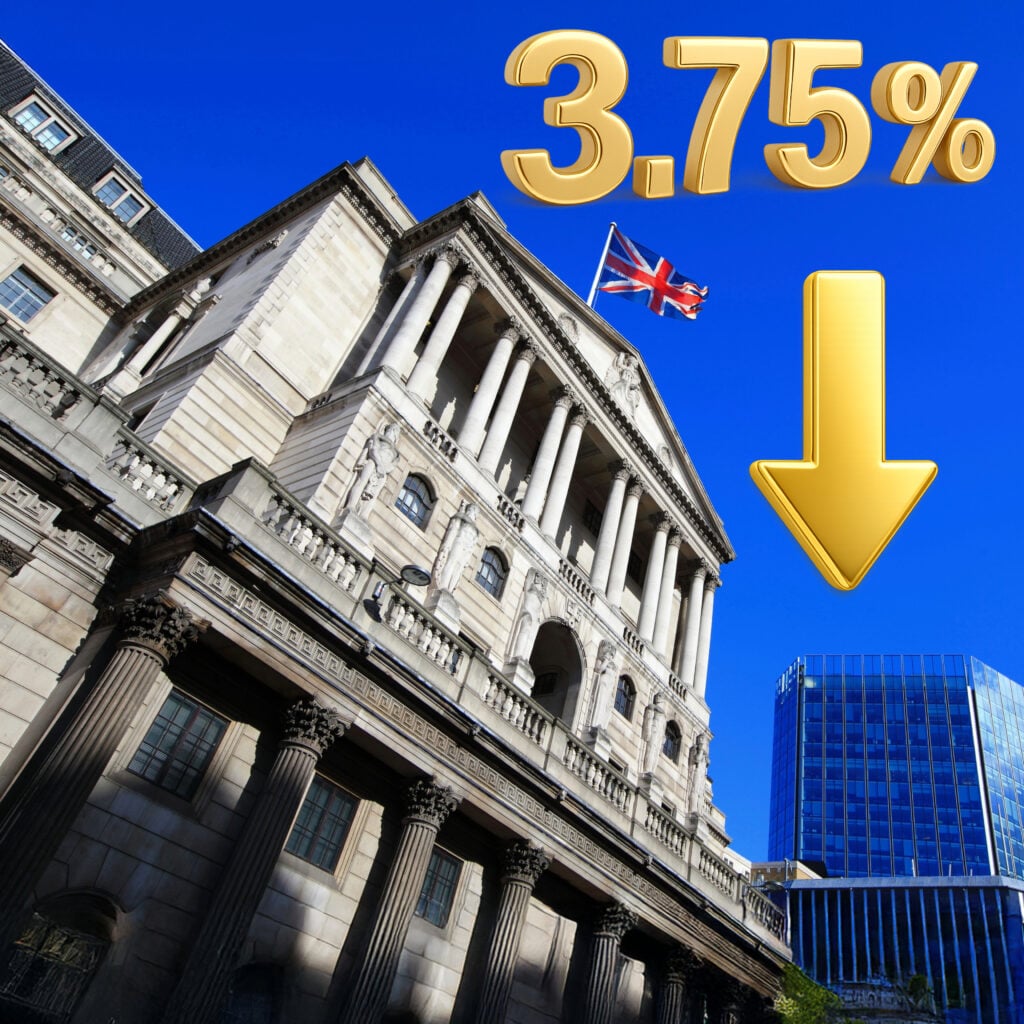
While some auction houses hit 100% success rates and Allsop raised £52m, underlying market data suggests auction activity is softening. The Bank of England's 3.75% rate hold creates opportunities for prepared investors.
 buying-at-auction
How to Buy Property at Auction UK: Complete Guide for First-Time Auction Buyers 2026
The definitive guide to buying property at auction in the UK, covering the complete process from legal pack analysis to bidding strategy. Includes current market opportunities with 3.75% rate stability creating better deals for prepared investors.
 buying-at-auction
What Actually Happens When You Buy Property at Auction (And Why Most First-Timers Get It Wrong)
Property auctions aren't the fast-paced bidding wars you see on TV. Here's the real process, from legal pack nightmares to 28-day completion deadlines, and why auction buying is becoming the smart money's preferred route despite the apparent complexity.
 market-data
Rate Hold Freezes Lender Decisions: Why BoE's 3.75% Stand Creates Auction Finance Gaps
The Bank of England's decision to hold rates at 3.75% amid Iran war uncertainty is creating a two-tier bridging market. While auction activity continues, lenders are tightening criteria and extending decision times - creating opportunities for investors with pre-approved finance.
 development finance
How Bridging Loans Work for Property Development Projects in 2026
Bridging finance for property development works differently from standard bridging loans, with staged drawdowns, works funding, and typically higher LTCs. Understanding these mechanics is crucial for developers seeking flexible construction finance.
 market-data
Rate Hold Unlocks Auction Opportunities: What 3.75% Stability Means for Property Investors
The Bank of England's decision to hold rates at 3.75% is creating renewed borrower confidence and unlocking property auction activity. Rate stability gives investors the clarity they need for bridging finance decisions and deal evaluation.
 FCA investigation
FCA Investigation of 30 Bridging Firms Shows Market Tightening in Action
The FCA's investigation of 30 bridging finance firms following Market Financial Solutions' collapse is creating visible tightening across the sector. Lenders are pulling back on marginal deals while borrowers face stricter criteria and longer completion times.
first-time-buyersHow First-Time Buyers Are Reshaping UK Property Auctions in 2026
First-time buyers are driving a 49% surge in auction activity while the Renters' Rights Act creates a 70% jump in tenanted property listings. This demographic shift is fundamentally changing auction dynamics and creating new opportunities for investors.
 buying-at-auction
Complete Guide to Buying Property at Auction in the UK - First-Time Auction Buyer's Manual 2026
First-time auction buyers face myths about rapid bidding and instant decisions. This comprehensive guide covers the reality of UK property auctions, practical advantages for investors, BRRR strategy implementation, and essential legal pack requirements.
 bridging finance
Why 7-Day Bridging Completions Make Exit Strategy Planning Even More Critical
With lenders completing bridging deals in 7-10 days, the window for refining exit strategies has compressed dramatically. Speed benefits borrowers but creates new risks when exit routes aren't fully evidenced upfront.
 Bank of England
BoE Holds Rates While Oil Prices Spike - Bridging Lenders Get Nervous
With markets only pricing 17% chance of rate cuts and oil volatility from Middle East tensions, bridging lenders are pulling back on aggressive pricing. Expect monthly rates to stay elevated through summer.
 bridging finance
When Bridging Finance Timing Goes Wrong: Costly Mistakes in Deal Structuring
Poor timing decisions in bridging finance can add thousands to deal costs or kill transactions entirely. Understanding when to act early versus when delay makes sense is critical for property investors and developers structuring deals effectively.
 bridging finance
Market Surveys and Regulatory Pressure: What Lenders Are Actually Thinking Right Now
The latest bridging market surveys reveal cautious optimism amid FCA scrutiny, while March inflation figures complicate rate decisions. Here's what the data actually tells us about current lender appetite.
 development finance
Large Development Finance Deals Keep Moving Despite Tighter Capital Markets
ICG's £152m NW London facility and Paragon's £37.1m Surrey scheme show the right deals are still getting done. But capital has become far more selective, with new players like MERA targeting equity gaps that traditional lenders won't fill.
 development finance
Development Finance Rate Cuts Signal Strong Lender Appetite in 2026
Assetz Capital's rate reduction to 8.35% alongside Mera's £100m US funding injection demonstrates renewed development finance appetite. Analysis of what these market moves mean for ground-up development projects and funding availability.
 bridging finance
How BoE Market Warnings Are Reshaping Bridging Finance Pricing in 2026
Bank of England deputy governor Sarah Breeden's stark warning about inevitable stock market falls is creating uncertainty in bridging finance pricing. Lenders are reassessing risk appetite while mortgage rate predictions remain split, affecting deal timing and structuring decisions.
 bridging finance
Pollen Street Group Joins BDLA - What This Actually Means for Bridging Rates
Pollen Street Group's BDLA membership is the latest sign that institutional money is taking bridging seriously. Analysis of what this means for competition, rates, and your next deal.
 auction house
Savills Auctions -- Auction House Guide
Savills Auctions operates from Margaret Street in London, conducting remote-only auctions multiple times monthly. They specialise in repossessions and land opportunities across residential, commercial, and development sectors.
 auction house
Allsop Auction House Guide -- London Property Auctions
Comprehensive guide to Allsop, one of London's most established auction houses specialising in repossessions, commercial property, and land sales. Learn about their 5% buyer's premium, bidding process, and what to expect at their regular auctions.
auction house
Auction House -- Auction House Guide
Auction House runs weekly national property auctions specialising in repossessions, investment properties, and self-build land. They offer both online and traditional auction formats with comprehensive lot coverage across the UK.
 bridging finance
UK Bridging Finance Market Shows Strong Growth Signals in Early 2025
New data reveals growing lender appetite and landlord demand in UK bridging finance. Somo reports surge in breathing space loan applications while National Housing Bank launches with £100m Aviva backing.
 auction-houses
How UK Auction Houses Are Fighting for Your Business in 2026
Major auction houses are rolling out new services and digital platforms to attract property investors. From BTG Eddisons' consolidation play to enhanced online bidding systems, the competition for your business is intensifying.
 auction-strategy
Why March's 4% Mortgage Talk is Missing the Point for Auction Buyers
While economists debate whether 4% mortgages signal recovery or crisis, auction investors need to focus on what actually matters: bridging rates, completion timelines, and why missing legal documents are costing buyers more than rate predictions.
 specialist-lending
Specialist lenders are leaving high street banks in the dust
While high street banks are still playing catch-up, specialist lenders are deploying AI and building products that actually work for auction investors. Time to ditch the branch managers.
 property-auctions
The Auction House Consolidation Wave: What It Means for Your Bidding Strategy
Major auction houses are merging left and right, fundamentally changing how property auctions work. Here's what seasoned investors need to know about the new landscape and how to adapt their strategies.
legal-packs
The Legal Pack Document That's Missing (And Why It'll Cost You)
EIG's latest blog highlights how missing documents in legal packs are catching out auction buyers. Here's what to check before you bid and how the gaps could signal opportunity or disaster.
 Deals
Deals
Buying at Auction with Bridging Finance: What Brokers Actually Need to Know
The 28-day completion deadline changes everything about lender selection.