How BoE Market Warnings Are Reshaping Bridging Finance Pricing in 2026
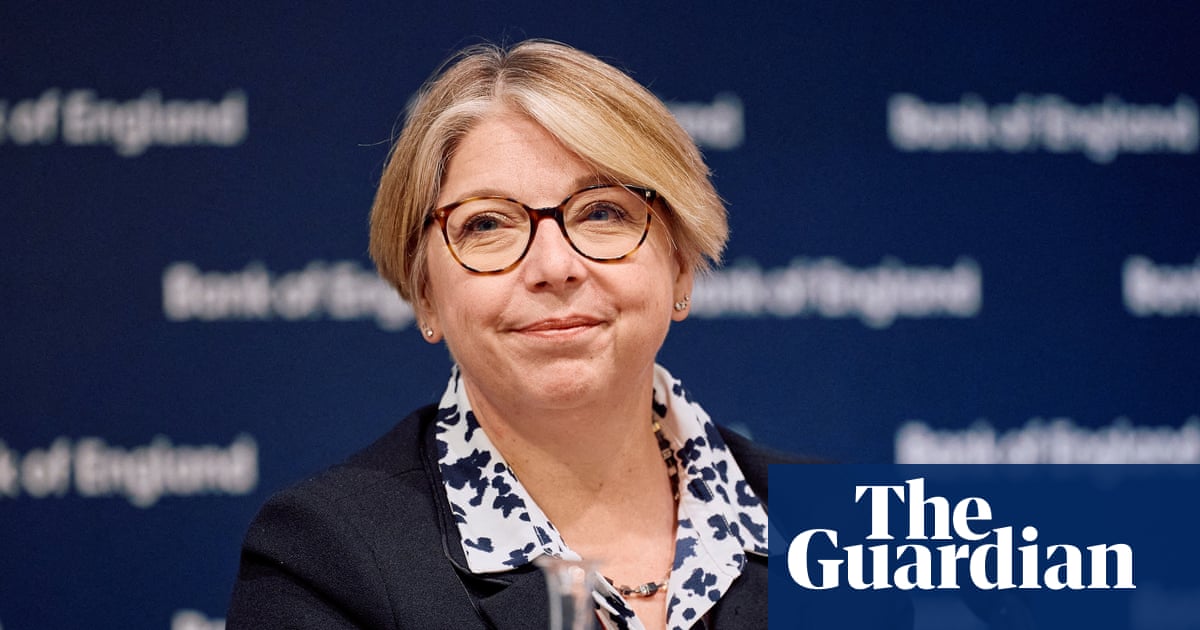
Bank of England deputy governor Sarah Breeden's stark warning about inevitable stock market falls is creating uncertainty in bridging finance pricing. Lenders are reassessing risk appetite while mortgage rate predictions remain split, affecting deal timing and structuring decisions.
In this brief
How BoE Market Warnings Are Reshaping Bridging Finance Pricing in 2026
Bank of England deputy governor Sarah Breeden delivered an unusually direct warning this week: stock markets will fall, and when they do, it won't be pretty. Her comments, coupled with increasingly divergent mortgage rate predictions for 2026, are creating genuine uncertainty in bridging finance pricing strategies that extends well beyond the usual base rate speculation.
Market Volatility Warnings Force Lender Risk Reassessment
Breeden's stark assessment that market corrections are inevitable rather than possible has prompted several bridging lenders to reassess their exposure calculations. The deputy governor specifically highlighted concerns about private market valuations and leverage levels — territory that directly overlaps with property development and investment lending.
This isn't the usual central bank hedging. Breeden's language was notably direct: markets will fall, not might fall. For bridging lenders already operating with compressed margins after two years of base rate volatility, this represents a clear signal to tighten risk parameters. The immediate impact shows in pricing adjustments and stricter exit strategy requirements.
The knock-on effect reaches beyond simple risk premiums. Lenders who've been aggressive on LTV ratios — particularly those pushing 75% LTGDV on development deals — are pulling back to more conservative positions. Several have introduced additional stress testing requirements for exit valuations, effectively reducing available borrowing capacity even where headline LTV limits remain unchanged.
Conflicting Rate Predictions Create Pricing Strategy Confusion
Mortgage rate predictions for 2026 remain remarkably split, with some analysts expecting rates to fall towards 3.5% while others forecast a return above 5%. This uncertainty directly complicates bridging finance pricing, where lenders typically build in assumptions about borrower exit routes and refinancing costs.
The problem extends beyond simple forward curve calculations. Bridging lenders price deals based on expected hold periods and exit scenarios, but conflicting rate predictions make it impossible to model borrower behaviour accurately. A developer expecting 3.5% mortgage rates in 12 months behaves very differently to one planning for 5%+ costs — and lenders know this affects both repayment probability and timing.
Several lenders have responded by introducing more variable pricing structures tied to actual market conditions at exit, rather than fixing margins based on current assumptions. This shifts more rate risk to borrowers but provides lenders with protection against scenario planning errors. The trend towards more complex, conditional pricing structures reflects genuine uncertainty rather than opportunistic margin expansion.
Development Finance Particularly Affected by Exit Strategy Concerns
Development bridging deals face the sharpest impact from current market uncertainty because they combine longer hold periods with more complex exit scenarios. Where a simple property flip might complete and refinance within six months, development deals typically run 12-18 months with multiple decision points and potential exit routes.
Breeden's market correction warnings hit development finance hardest because these deals often rely on improved market conditions to achieve projected GDV figures. Lenders are increasingly requiring more conservative exit valuations and additional contingency funding arrangements. Some have reduced maximum LTGDV ratios from 70% to 65% specifically on development deals, effectively requiring higher equity contributions.
The Works funding arrangements on development bridging have become notably more restrictive. Rather than releasing funds on practical completion of stages, more lenders now require independent valuations at each drawdown point. This adds cost and delays but reflects genuine concerns about market values declining during build periods.
Pricing Strategies Shift Towards Flexibility and Protection
Current market uncertainty is driving bridging lenders towards more sophisticated pricing models that provide protection against various scenarios rather than betting on a single rate trajectory. Fixed-rate bridging products — never common — have virtually disappeared as lenders refuse to take directional interest rate bets in volatile conditions.
The emerging pattern shows shorter initial rate fixes combined with transparent margin structures tied to base rate movements. Rather than offering 18-month rates, lenders increasingly prefer 6-month initial periods with clear repricing mechanisms. This provides borrowers with initial certainty while allowing lenders to adjust for changing market conditions.
Several specialist bridging lenders have introduced early repayment discounts tied to market conditions at exit, effectively sharing upside with borrowers who can complete deals quickly if conditions improve. These structures reflect the reality that current pricing uncertainty cuts both ways — borrowers face higher rates now but might benefit from faster improvement than expected.
Practical Implications for Deal Timing and Structure
The combination of market correction warnings and rate prediction uncertainty creates specific challenges for property investors and developers planning deals in the current environment. Deal timing becomes more critical when lenders are actively adjusting risk appetites and pricing structures in real time.
For development deals, the practical advice centres on building more conservative assumptions into project planning. Using 65% LTGDV rather than 70% for initial feasibility, planning for extended sales periods, and maintaining larger contingency funds all reflect current market realities. The cost of this conservatism — higher equity requirements and reduced leverage — needs weighing against execution risk in uncertain conditions.
Refurbishment and flip strategies require different adjustments. Shorter hold periods provide some protection against market volatility, but exit route planning becomes critical. Having multiple refinancing options available rather than depending on a single lender relationship reduces execution risk when mortgage markets remain unpredictable.
Our UK bridging finance market analysis from early 2025 showed strong lender appetite and growth signals — conditions that current BoE warnings suggest may not persist through 2026. The shift from growth optimism to cautious positioning represents a significant change in market dynamics that affects both pricing and availability.
Forward Planning in an Uncertain Rate Environment
Successful navigation of current market conditions requires accepting uncertainty rather than trying to predict specific outcomes. The most practical approach involves structuring deals that work across multiple scenarios rather than optimising for a single rate trajectory or market outcome.
This means prioritising flexible funding arrangements over the lowest possible rates, maintaining larger cash reserves, and avoiding deals that depend on specific market conditions to achieve viability. For brokers, it involves setting realistic client expectations about both pricing volatility and the increased importance of strong exit strategies.
The current environment rewards careful planning and conservative assumptions over aggressive leverage and tight margins. While this approach might sacrifice some potential returns in benign conditions, it provides protection against the market corrections that Bank of England officials now describe as inevitable rather than possible.
Need to match a deal like this?
BridgeMatch filters 60+ specialist lenders against 113 criteria points in seconds.
Start matching →