Brookfield's £500m European Deal and What Institutional Capital Concentration Means for Bridging Borrowers in H2 2026
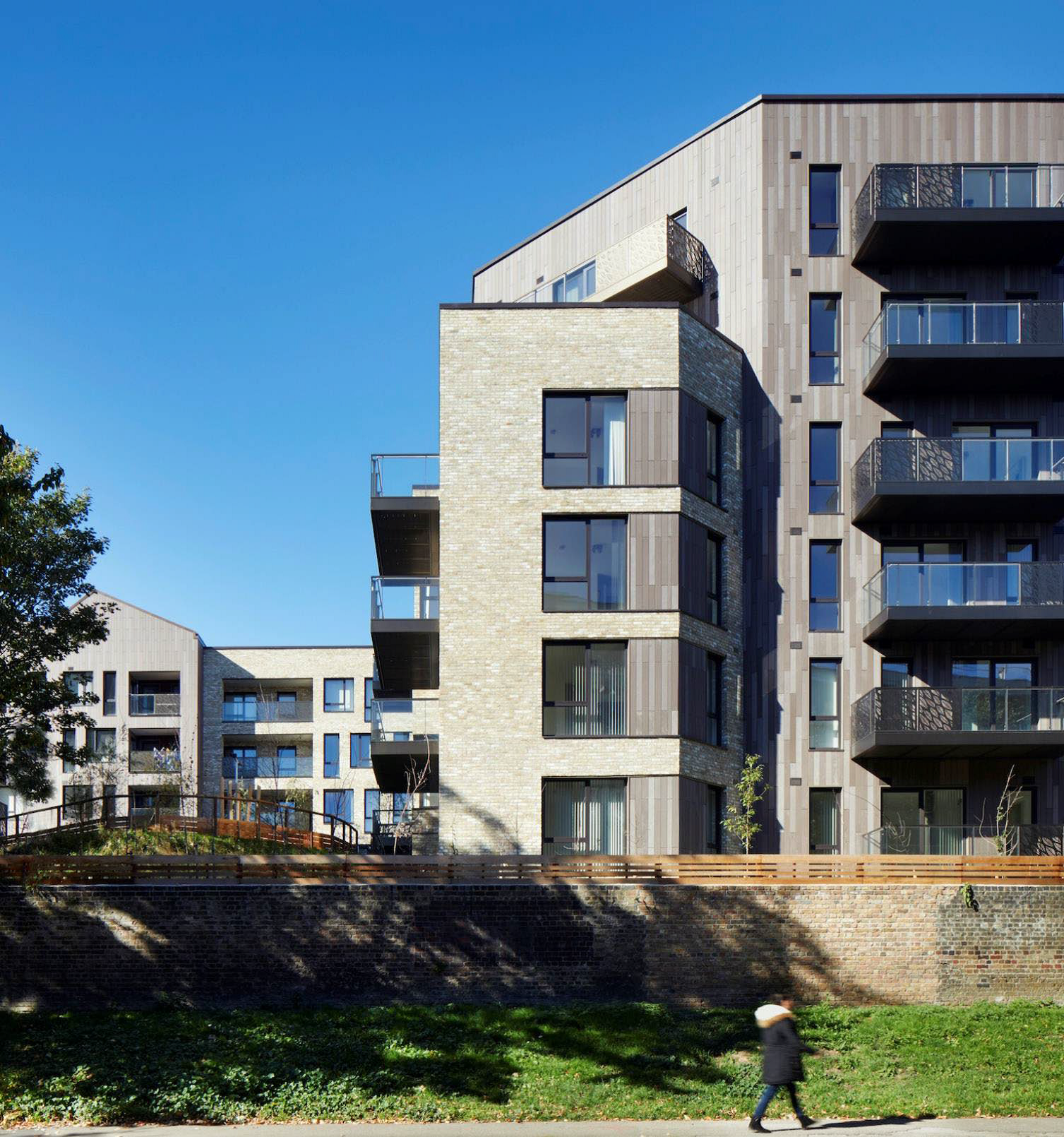
Brookfield's £500m European financing deal — its largest yet — signals how institutional capital is concentrating in large-ticket UK property finance. This post examines what that means for lender appetite, deal sizing thresholds, and whether smaller bridging borrowers get squeezed out as lenders chase scale in H2 2026.
In this brief
Brookfield's £500m European Deal and What Institutional Capital Concentration Means for Bridging Borrowers in H2 2026
Brookfield has just completed its largest European financing to date — a £500m loan facility. That number sits comfortably in the institutional private credit world rather than the bridging market most brokers work in daily, but it matters. Not because £500m deals compete with £500k bridges, but because the direction of institutional capital tells you something about where lender appetite is being shaped — and where it might quietly disappear.
The question for H2 2026 is whether the concentration of large institutional money into trophy property finance is pulling lender focus upward, and if so, what that means for the £1m–£5m borrower who still needs a decision by Friday.
What the Brookfield deal actually signals
Brookfield's £500m facility reflects a broader private credit trend: institutional capital is getting comfortable with large, complex UK property transactions at a time when traditional banks remain constrained by regulatory capital requirements. Private credit has been filling the gap left by bank retrenchment since 2022, and deals of this scale are the logical endpoint of that trajectory.
This isn't isolated. As covered in our analysis of large development finance deals moving despite tighter capital markets, ICG's £152m NW London facility and similar transactions show that for the right asset — the right scale, the right sponsor, the right exit — institutional money is available and competitive. The Brookfield deal pushes that ceiling considerably higher.
What this creates, structurally, is a two-tier market. At the top, institutional players with large balance sheets are writing nine-figure tickets and competing on relationship, speed, and pricing at a level that makes UK clearing banks look slow and expensive. Below that, the specialist bridging and development finance market continues operating — but the gravitational pull of bigger deals is not neutral. It shapes how lenders allocate origination resource, which deals get senior underwriter attention, and where pricing aggression concentrates. The Brookfield deal doesn't change bridging overnight. But it accelerates a drift that was already happening.
The lender appetite problem for sub-£5m borrowers
Bridging lenders that have attracted institutional funding lines — whether through warehouse facilities, bond issuance, or direct private credit backing — face an inherent tension. Their funding costs are typically structured around volume and yield, which means efficiency favours fewer, larger loans over many small ones.
A lender deploying a £200m warehouse line would rather write 20 loans at £10m than 400 loans at £500k. The economics of underwriting, legal, valuation, and ongoing monitoring all point the same direction. This doesn't mean smaller deals disappear — the market is too fragmented and competitive for that. But lenders with institutional backing have been quietly setting their sweet spots higher. Minimum loan sizes at several lenders on our panel have moved upward in 2026 — we've seen floors that were £250k two or three years ago now sitting at £500k or higher — without any corresponding update to marketing materials. Brokers working sub-£1m deals are finding fewer genuine options than the headline count of active bridging lenders would suggest, and the gap between published criteria and actual appetite is wider than it's been in some time.
The Balbec Capital acquisition of Funding 365 is a clean example of this dynamic playing out at the lender level. When institutional capital takes ownership of a bridging lender, criteria will change after acquisition. They always do. The risk mandate shifts toward the deal profile the parent fund prefers, and what got funded eighteen months ago may not clear the same desk today.
Where smaller borrowers actually stand
The competition among second-tier lenders — those not backed by the largest institutional mandates — has intensified precisely because the big players have drifted upmarket. Several have cut rates in 2026 to win deal flow in the sub-£3m space.
The risk is less about availability and more about reliability. A lender that depends heavily on a single institutional funding line is more vulnerable to that line being paused, repriced, or restructured than a lender with diversified funding sources. When institutional funders reassess UK exposure — as US private credit firms have done at various points in 2025 and 2026, as covered in our analysis of US private credit firms reassessing UK bridging — the lenders downstream feel it in criteria tightening or withdrawal from certain deal types, sometimes with very little notice. For a borrower mid-deal, that's a serious problem. For a broker placing deals based on appetite signals from three months ago, it's a credibility problem.
So the picture isn't uniformly bleak for smaller borrowers. But it is more complicated than it was, and the complication has a specific shape: the lenders with the sharpest rates are often the ones with the most concentrated funding, which means the best headline pricing comes with the highest rollover risk. That's not always a bad trade — most bridges complete well inside any funding line renewal window — but it's a trade brokers should be making consciously rather than ignoring.
What this means for deal structuring in H2 2026
If you don't know who's behind your lender's warehouse line, you're taking a risk you haven't priced. That's the blunt version. For deals above £2m, it's worth asking how concentrated the funding is and whether the primary line is up for renewal within your loan term. Lenders with transparent, diversified funding structures will engage with these questions. If they won't, draw your own conclusions.
Published rates are increasingly unreliable as signals of genuine appetite. Some lenders chasing larger deals maintain aggressive rate cards to keep their brand visible while quietly declining smaller transactions at application stage or adding conditions that effectively price the deal out. The only way to distinguish genuine appetite from marketing position is to run the deal properly across lenders with verified current activity — not just those advertising in the right loan-size bracket.
For repeat borrowers with established track records, a revolving bridging credit line is worth examining in the current environment. Lenders looking to deploy capital efficiently are genuinely attracted to borrowers who can provide volume over time rather than requiring fresh origination costs on each transaction. A revolving facility negotiated now, while lender competition in the sub-£5m space remains reasonably healthy, locks in better terms than you might achieve if the market tightens further. Whether it actually makes sense depends heavily on deal frequency and how your exit timelines stack up — it's not automatically the right structure, but it's one that the current institutional dynamic makes more interesting than it was eighteen months ago.
On development finance specifically: LTGDV limits and day-1 advance percentages have diverged considerably in 2026, as examined in our post on development finance criteria and GDV limits. Lenders with stable institutional backing are offering better day-1 advances than those on tighter wholesale funding — which is counterintuitive if you're just comparing rate cards, but makes sense when you understand that the underwriting confidence comes from the stability of the capital behind the loan.
Brookfield's deal is not a warning that the bridging market is closing to smaller borrowers. It's a signal that the market is stratifying. Brokers and investors who understand where the institutional pull is concentrated will place deals faster and more reliably than those who don't.
Frequently asked questions
Does institutional capital concentration mean bridging lenders are raising minimum loan sizes?
At a meaningful number of lenders, yes — and it's happening without public announcement. Based on our lender panel, floors that sat at £250k in 2023 have moved higher at several providers in 2026. The headline count of active bridging lenders still looks healthy, but when you filter for genuine current appetite at sub-£1m, the real options narrow considerably. If you're placing smaller deals regularly, check minimum floors directly rather than relying on published criteria.
How does a deal like Brookfield's £500m facility affect everyday bridging lender appetite?
Not directly — Brookfield is operating at a scale that doesn't compete with specialist bridging. The indirect effect is that it validates institutional private credit's confidence in UK property finance at senior debt level, which ultimately supports the funding lines that sit behind specialist lenders. When institutional sentiment is positive, warehouse facilities remain available and pricing stays competitive. When it turns — and it does turn, sometimes quickly — smaller lenders feel it in cost of funds before borrowers see it in rates. The lag between institutional sentiment shift and borrower-facing criteria change is typically two to four months, though that's an observation from market behaviour rather than anything formally documented.
Is development finance more exposed than standard bridging to these funding structure risks?
Yes, and the reason is straightforward: staged drawdowns over 12–24 months require a lender to remain active and solvent throughout the build. A standard 6-month bridge carries far less counterparty duration risk. If a development lender's institutional line comes up for renewal mid-build, the consequences range from drawdown delays to full facility withdrawal — neither of which is acceptable when you have contractors on site. For ground-up development especially, understanding the funding structure behind your lender is not optional due diligence.
Can smaller bridging borrowers actually negotiate better terms right now, or is the market moving against them?
Honestly, it depends on the deal. In the £1m–£3m bracket, competition among second-tier lenders has kept pricing relatively keen in H2 2026, and there is genuine room to negotiate — particularly on fees and exit flexibility rather than headline rate. Below £750k, it's harder. The pool of lenders with genuine appetite has narrowed more than most people realise, and the negotiating leverage that comes from competitive tension requires competitive tension to actually exist.
Need to match a deal like this?
BridgeMatch filters 60+ specialist lenders against 113 criteria points in seconds.
Start matching →